A book that does the first meeting before the first meeting.
Your best clients hire you after they trust you. A well-made book lets a prospect spend hours with your thinking before they ever call, gives the people who refer you something to hand over, and quietly turns away the clients who are a poor fit. This site shows how that works in a real practice, profession by profession, and what your rules require.
- 3,000+ books published by Scribe
- 23 NYT and WSJ bestsellers
Three jobs a book does in a practice
Most people cannot judge a financial plan, a legal strategy or a treatment plan on its merits. They judge the person. They look for signs that you understand problems like theirs, that you explain things clearly, and that you will be honest with them. A book is one of the few things a professional can produce that shows all three at once, at the reader's own pace, without a sales conversation. In practice it does three jobs.
Trust before the first meeting
A prospect who has read your book arrives knowing how you think and what you believe. Jake Falcon, a Kansas City wealth advisor, describes a prospect who found his audiobook on Spotify with no advertising and arrived already knowing his firm and philosophy, so the meeting went straight to the real work.
Something a referral partner can hand over
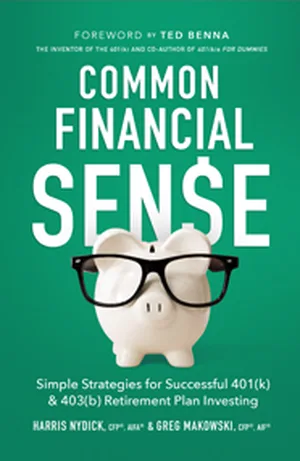
A referral is only as strong as what the referrer can say. A book gives an accountant, a physician or a happy client something to pass along. Harris Nydick's firm traces relationships to a retirement plan administrator handing his book to her CEO.
A filter for the right clients
A book states your approach in full, so the people who disagree with it never call and the people who share it call ready. Chris Belchamber, an investment advisor, says the book now draws the clients who understand his low-risk method.
Your profession changes the rules, not the reasons
The three jobs are the same in every practice. What changes is who reviews the manuscript and what you may say about clients and results. Each guide below covers how authors in that field used their books and the specific rules to check before anything goes to print.
Financial advisors
A book as the handout at every first meeting, the talk that feeds referrals, and the thing compliance reviews under FINRA Rule 2210 or the SEC Marketing Rule.
Read the advisor guideAttorneys
A book that explains your area of law to the people who will one day need it, written within lawyer advertising rules and without one confidential fact.
Read the attorney guidePhysicians and dentists
Patient education that also brings patients and physician referrals, with HIPAA authorization or real de-identification for every patient story.
Read the physician and dentist guideConsultants and coaches
A book that names your method, raises what clients expect to pay for it, and opens corporate buyers, stages and programs.
Read the consultant and coach guideWhere would a book do work in your practice?
The worksheet asks about your clients, your referral sources, your first meeting and the questions clients ask, then gives you a one-page plan you can print or save. Nothing is sent anywhere unless you choose to send it.
What books have done for professionals
Each card links to the full story on scribemedia.com. These are strong results from individual authors, not typical ones, and nobody can promise them. They are here to show the kinds of work a book can do, not what yours will earn.
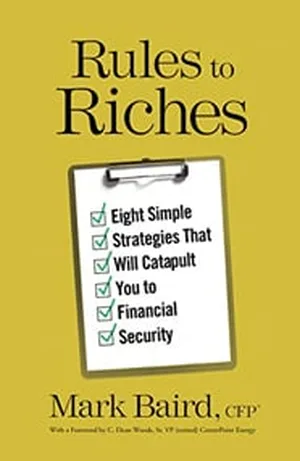
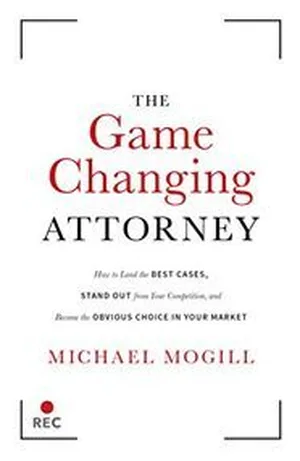

Read in this order
- How a book wins clientsTrust before the meeting, the referral handoff, the filter, and the limits.
- Choosing a topic for your practiceTurn the questions clients ask into a table of contents.
- Using the book in your client processBefore the first meeting, in proposals, after the sale, with referral partners.
- Time and confidentialityHow a busy professional gets it written without client secrets in print.
- Your profession's guideStories and the rules to check for advisors, attorneys, physicians and dentists, consultants and coaches.
The honest costs
Your thinking
Nobody can write your book without your ideas, your stories and your judgment. Even with a professional writing partner you will spend real hours in conversation and review. Plan for months, not weeks.
Your rules
Compliance, bar rules and patient privacy shape what goes in. Bring the reviewer in at the outline stage, not after the manuscript is finished. The profession guides list what they will look at.
Money
Writing alone costs time; working with a team costs money. Scribe Media publishes its prices on its pricing page. A book earns its keep through clients and referrals, rarely through royalties.
Want to talk through a book for your practice?
Leave your name and email and someone from the Scribe Media team will get in touch to talk through your clients, your topic and what your profession's rules mean for the book. If a book is the wrong move for your practice, they will say so.
Rather pick a time yourself? Book a free 30-minute consult or call 512-325-0249.
Thank you. Your details are with the Scribe team.
Someone from Scribe will reach out by email. If you would rather not wait, pick a time for a free consult.
Common questions
Will writing a book bring my practice more clients?
It can, but nobody can promise it. A book works on three things: how much a prospect trusts you before the first meeting, how easily a referral partner can introduce you, and whether the people who call are the clients you want. The author results on this site are strong results from individual authors, not typical ones.
Can a licensed professional write a book at all?
Yes. Advisors, attorneys, physicians and dentists publish books, but each profession has rules about what you say in public about your services and your clients. Financial advisors usually need compliance review, attorneys work under their state's version of the lawyer advertising and confidentiality rules, and physicians need patient authorization before an identifiable patient story goes in print.
What should a professional's book be about?
Start with the questions your best clients ask before they hire you. A book that answers those questions well, in plain words, does the explaining you now do one meeting at a time, and it attracts people who want the way you work.
How much time does a busy professional need to write a book?
Less writing time than most people fear, and more thinking time than most expect. With an interview-based process you talk through your ideas and review drafts rather than type every word, but you still own the content, the stories and the final read. Plan for months, not weeks.
Is anything on this site legal, compliance, medical or financial advice?
No. The regulatory sections point to the primary rules and list what your compliance officer, bar counsel or privacy officer will look at. They decide what applies to you.